

Two-Day Performing Commedia Course - Characters, Techniques & Devising
Saturday 18 July 2026 10:30–17:30
Sunday 19 July 2026 10:30–17:30
Delivered in association with The University of Gloucestershire
+ Includes FREE Teaching Commedia Resource Pack with loads of exercises and a scheme of work!
“Cheryl is absolutely fantastic and incredibly knowledgeable... providing students with a truly engaging and enriching learning experience.”
Step into the wonderfully chaotic world of Commedia dell'Arte, where crafty servants outwit their masters, lovers pine dramatically, old men guard their fortunes, and every problem seems to escalate into comic mayhem.
This joyful and immersive weekend will introduce you to the physicality, playfulness and comic brilliance of one of theatre's most influential traditions. Through movement, character work, improvisation, mask exploration and devising, you'll discover how Commedia creates larger-than-life characters, irresistible stage presence and laugh-out-loud storytelling.
Beginning with physical expression and solo and duo work, we'll explore the foundations of comic performance, characterisation and improvisation. As the weekend unfolds, we'll build relationship dynamics, ensemble awareness and the techniques that have been used for centuries to devise fast-paced, highly entertaining performances filled with mischief, misunderstanding and slapstick delight.
Whether you're completely new to the form or returning to deepen your practice, Commedia always has new surprises to reveal. Expect laughter, creative risk-taking, fresh inspiration and a weekend that leaves you feeling energised, confident and creatively recharged.
Ideal for teachers, actors, theatre-makers and students aged 16+.
A reasonable level of general fitness is recommended, as the work is active and physical. Many Commedia characters wear masks, while others do not. Mask work is encouraged because it can unlock extraordinary freedom, imagination and physical expressiveness, but it is never compulsory. Creating a supportive environment where everyone feels comfortable to explore, play and take creative risks is always the priority.
“Absolutely outstanding ... brought a whole genre to life.”
“A fantastic introduction or revision of Commedia to inspire you and give you confidence … Super! Amazing value for money! Superbly led by Cheryl who is an expert and really clearly communicates and shares both her knowledge and passion.”
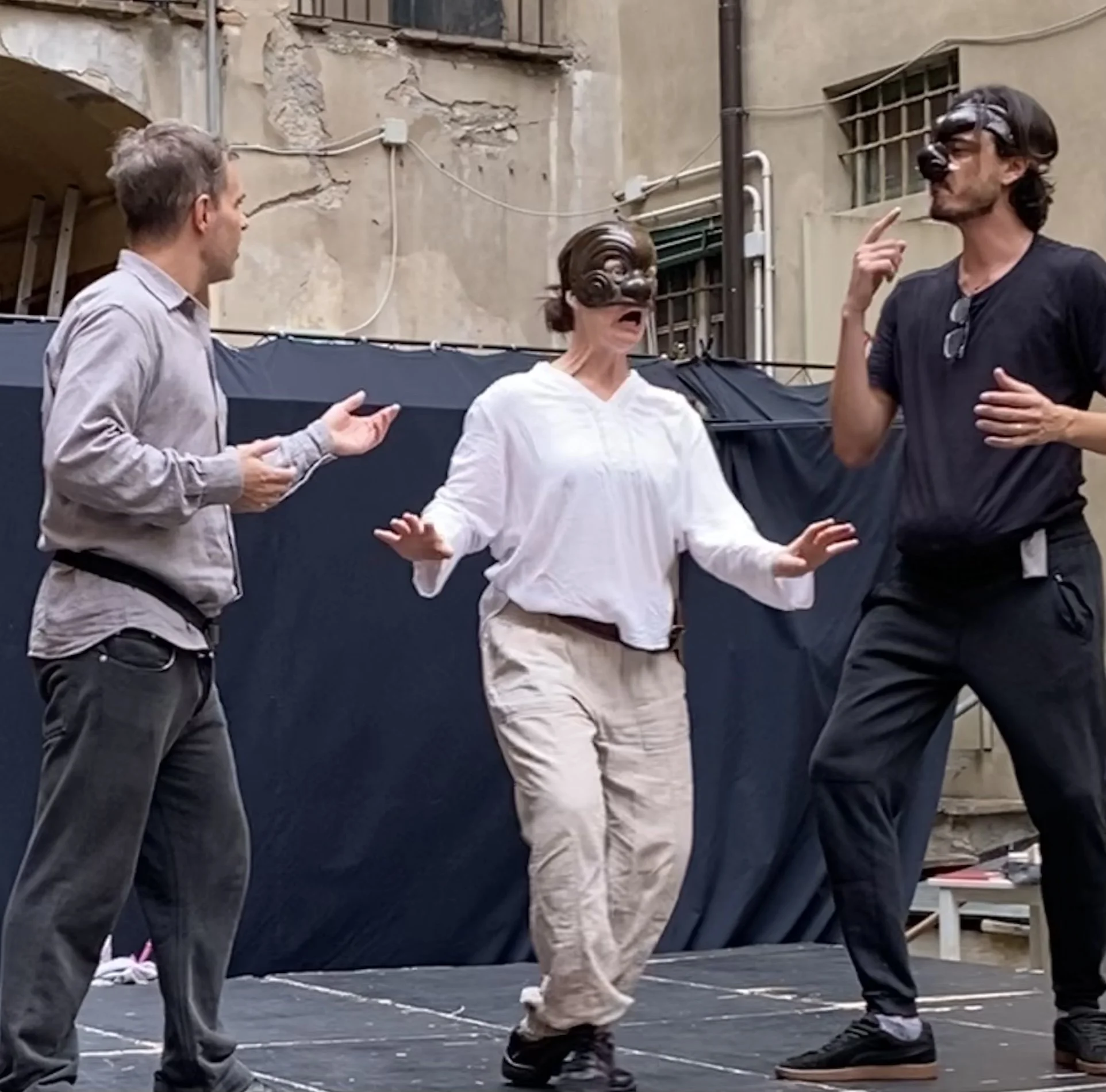
Saturday: Character, Physicality & Comic Play
Saturday begins with the foundations of Commedia dell’Arte through character work, physical training and comic performance. Awakening the body through movement, rhythm and breath, building towards the exaggerated physical worlds of the stock characters, we’ll explore the distinct physicality, psychology, masks, gestures and vocal qualities of characters including Pantalone, Il Dottore, Capitano, Zanni, Arlecchino, Columbina and The Lovers.
Solo, duo and ensemble exercises to investigate the building blocks of the comic performer: tempo-rhythm, tension states, balance, status, physical exaggeration and vocal play including grammelot (melodic nonsense language).
Classic comic dynamics and status pairings include master and servant, doctor and patient, fool and fool, and amour and ardour.
Comic timing, slapstick technique, stage fights, lazzi (comic routines and gags) and the pleasure of playful, responsive performance.
The focus throughout is on liberation, boldness and discovering how physical storytelling can transform performance.
Sunday: Ensemble, Devising and Performance
Sunday builds towards collaborative ensemble work and devising using traditional commedia methodologies. Understanding of stagecraft will be deepened through exercises for spatial awareness, stage dynamics, pacing, rhythm and actor-audience.
Comic interplay through lazzi, meccanismi (structured movement sequences), musicality and ensemble routines, investigating how a commedia troupe functions collectively in performance.
Then we move into devising using canovacci (traditional outline scenario structures). Working in groups, attention turns towards improvisation, responsiveness and sustaining comic energy within an ensemble, whilst bringing together character work, comic devices, movement and voice techniques developed across the weekend.
The weekend may culminate in an informal sharing or short performance for invited friends (depending on the group’s preference), offering participants the chance to experience the vitality, spontaneity and joy of commedia in front of an audience.
Key Take-Aways:
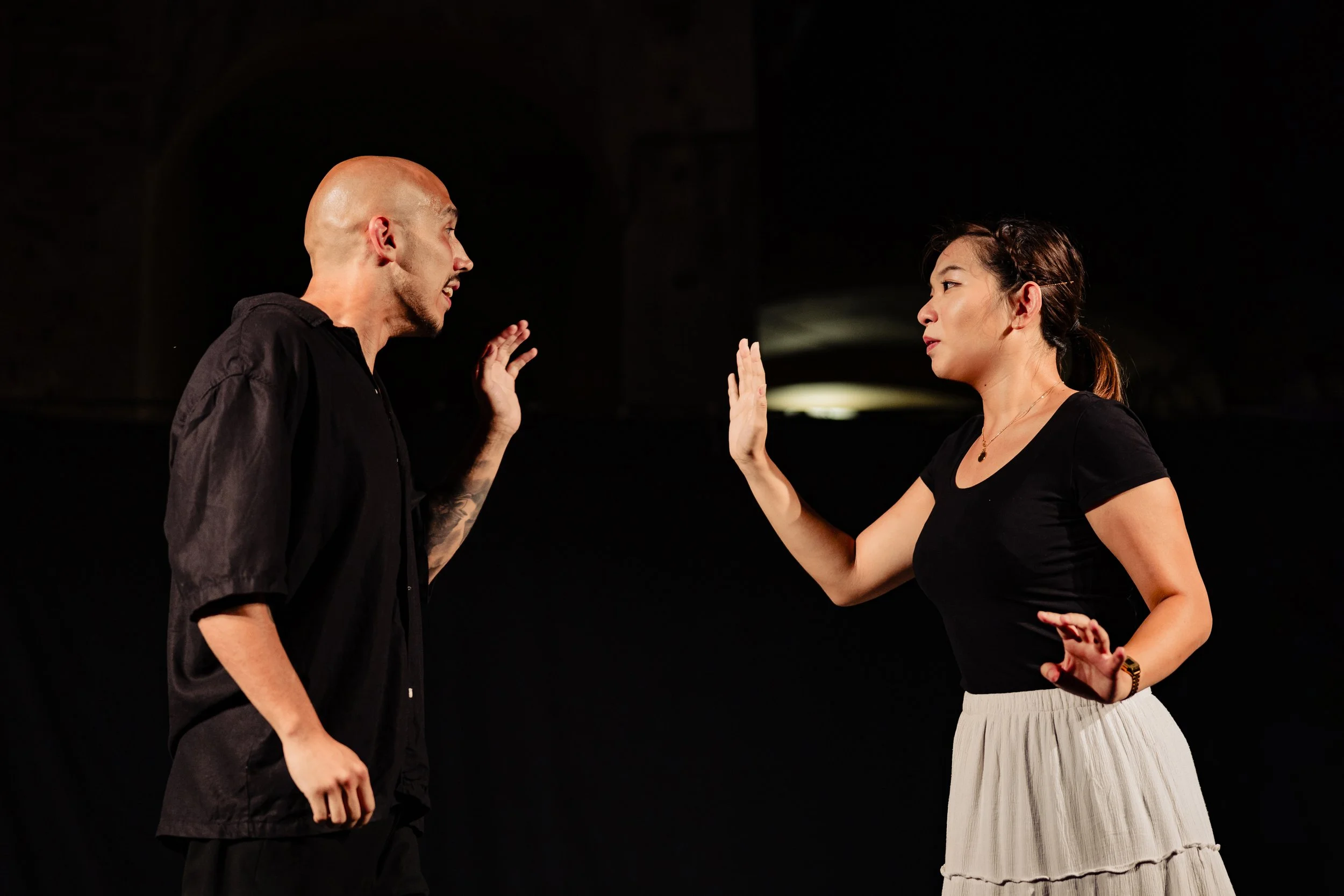
For actor-theatre-makers, Commedia dell’Arte performance skills form part of the foundations of live performance and remain highly transferable across theatre, comedy, clowning, Shakespeare, physical theatre and devised work. Top takeaways include:
Heightened physical expression, articulation and stage presence
Develop greater physical precision, clarity and confidence through work on posture, gesture, rhythm, comic timing and spatial awareness – skills that strengthen performance across both classical and contemporary forms.The ability to fully embody bold, dynamic characters
Explore archetypal character creation through breath, tempo-rhythms, tension states, emotive expression, physical exaggeration and vocal dynamics. This work builds versatility and responsiveness for actors working across text-based, devised and naturalistic and non-naturalistic performance styles.Transferable ensemble and devising skills
Gain practical approaches to improvisation, stage dynamics, audience awareness and collaborative devising. Commedia training develops an actor’s ability to ‘get out of their head’ and think physically, respond instinctively and spontaneously and generate material creatively within an ensemble.
For teachers, Commedia dell’Arte offers a rich and highly adaptable approach to drama teaching across the key stages. Its emphasis on physical storytelling, ensemble work, improvisation and archetypal characters provides engaging ways into devising, comedy, Shakespeare and performance history. Top takeaways include:
Practical tools for teaching physical characterisation across the key stages
Teachers will leave with a toolkit of exercises and approaches for helping students create bold, embodied characters through posture, rhythm, gesture, breath and movement. Commedia techniques can be adapted for learners across the key stages and are especially valuable for devising, ensemble work and building confidence in performance.Fresh approaches to comedy, devising and theatrical styles
Participants will explore how commedia techniques such as lazzi, comic timing, status play and canovacci can unlock creativity, collaboration and spontaneity in the rehearsal room and classroom. Commedia also provides an engaging doorway into exploring silent film, slapstick, melodrama, clowning and wider traditions of comic performance.A deeper understanding of Shakespeare and performance history
Teachers will gain insight into how Commedia dell’Arte influenced Shakespearean theatre, stock characters and comic structures. Through maskwork, improvisation and physical theatre training, participants will develop strategies for helping students approach Shakespeare as living, playful and physical performance rather than purely text-based study.Essential preparation for teaching A Servant to Two Masters or Accidental Death of an Anarchist.

About Commedia
Commedia dell’Arte is a vibrant comic theatre form that emerged in 16th-century Italy, featuring both masked and unmasked characters, physical storytelling, improvisation and larger-than-life comic archetypes. Often regarded as the first professional acting tradition, its influence can be traced through Shakespeare and Elizabethan drama, French farce, opera, ballet, mime, clowning, silent film and the history of slapstick comedy.
At its heart, commedia is an actor-centred form rooted in movement, ensemble, rhythm and play. It remains widely taught in drama schools and conservatoires as a foundation for physical performance, character work and devising across all styles of theatre-making.
Bold, playful and highly accessible, Commedia dell’Arte offers performers and teachers alike a joyful way into comedy, creativity and expressive storytelling.
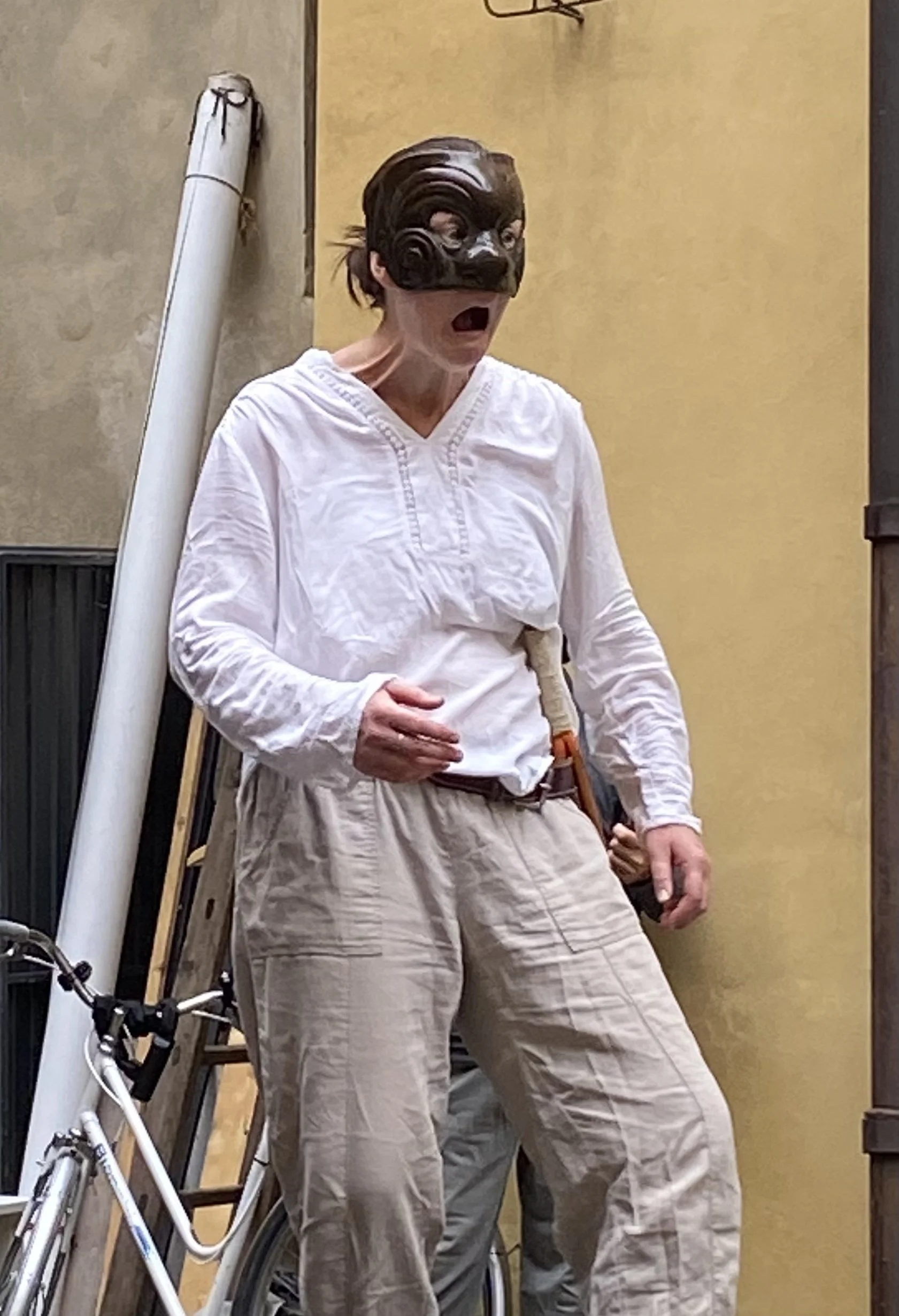
About the Workshop Leader:
Cheryl has worked with Commedia dell’Arte and mask performance for over 30 years. She holds a BA (Hons) in Drama from Brunel University and began her specialist training in Commedia with John Rudlin at Centre Sélavy in France. She went on to study mask-making and performance with Mike Chase, and physical theatre, mime, mask and gesture at École Philippe Gaulier. She further refined her Commedia practice in Italy with Antonio Fava at the Scuola Internazionale dell’Attore Comico.
Cheryl is also a qualified secondary school drama teacher and the founder of Learning Through Theatre, a company specialising in Commedia dell’Arte, physical storytelling and masked performance. She is in demand internationally as a mask and mime specialist, working with performers and educators from primary to postgraduate level.
Alongside her teaching and directing work, Cheryl continues to perform whenever possible. She is also a co-founder of Commedia Players CIC with Barry Grantham, established to advocate for the preservation and continued influence of Commedia dell’Arte within British theatre and culture.
Photo credits: Marcella Fava